If You Only Change One Thing This World Password Day, Make It This
You’ve probably used the same password more than once. Maybe it’s the same one for your email, your bank, and a few shopping sites.
Most people do. And it’s the one habit hackers rely on most.
This World Password Day, there’s one change that matters more than anything else, and it’s simpler than you think.
One Habit Is Behind Most Account Takeovers
94% of breaches involve weak or reused passwords, making password reuse the single most common and preventable mistake.
Here is how it works. When a website gets breached, your login details end up on lists that hackers trade and sell. They then take those credentials and try them on your bank, email, and shopping accounts.
They don’t break in. They simply log in.
The more accounts that share a password, the greater your exposure is from a single breach.
The Fix That Stops Most Account Takeovers
Two-factor authentication, or 2FA, means that even if someone gets hold of your password, they still can’t get in. Your account sends a code to your phone that only you can see. Without it, the login fails.
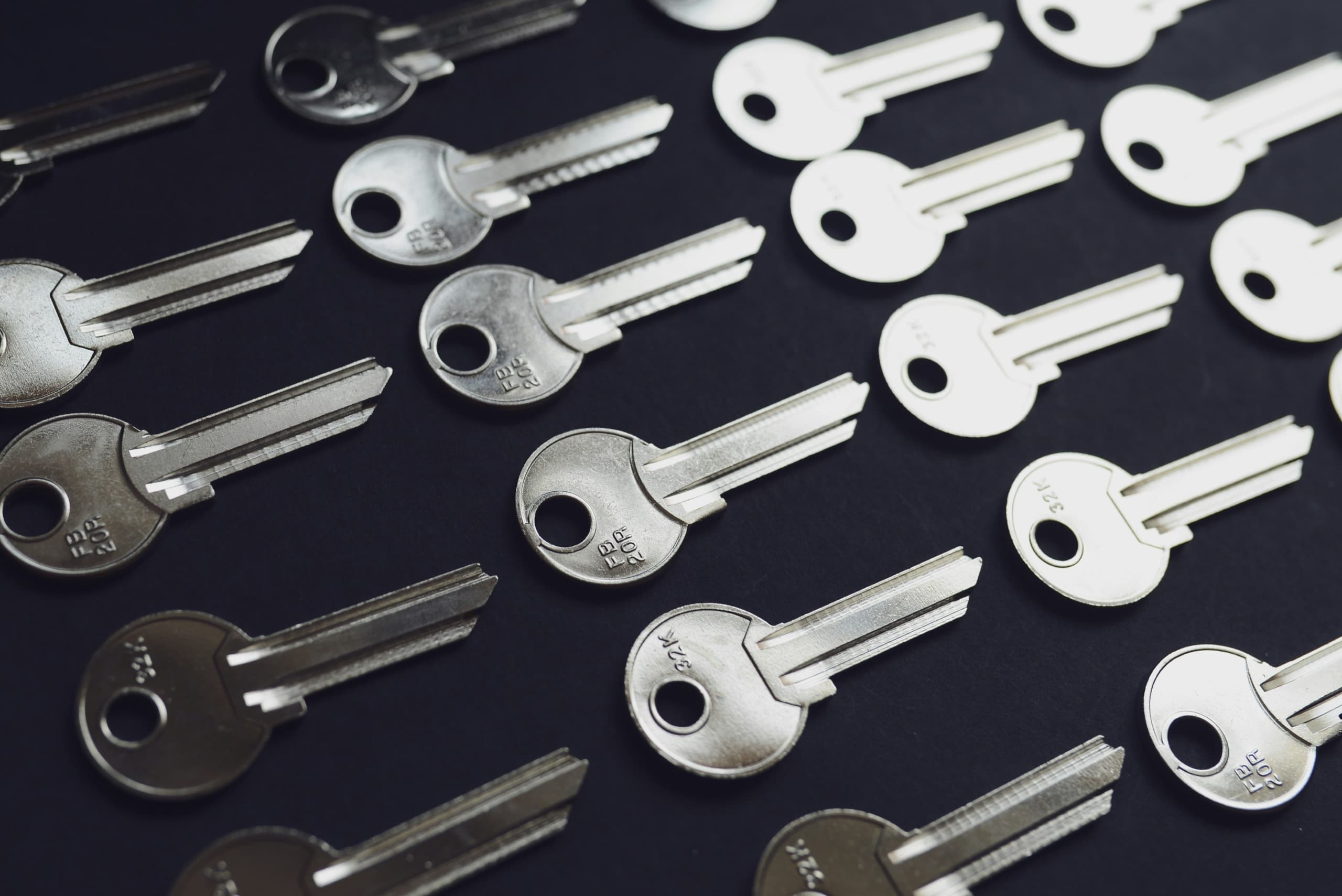
Think of it as a second lock on your front door. Your password is the first. The code is the second. Both need to work together.
Your bank, email, and most major accounts already support it. It takes a few minutes to set up and works in the background from that point on.
So Where Should You Enable 2FA First? Start With the Account That Matters Most.
Not all accounts carry the same risk. Your email sits at the center of your entire online life.
Every “reset your password” link for every account you own goes straight to your inbox. Whoever controls your email can reset the password to almost anything else tied to it.
That is what makes it the highest-value target among all your accounts.
A good place to start is to find out whether your email address has already been part of a breach. NCC’s Personal Cyber Advisor, Merena, lets you enter your email and check your risk in seconds. If your data has been exposed, you know which passwords to change first.
Three Accounts Worth Fixing This Week
You do not need to overhaul every password you own. Starting with three accounts makes a real difference.
These are the ones worth prioritizing:
- Email: The master key to every other account you own
- Bank: Where your money and financial details live
- Primary shopping account: Often stores your card details and home address
Each of these holds something valuable on its own. Together, they cover most of what someone would target first.
If keeping track of three new passwords feels like a stretch, writing them down in a secure place at home works. A password manager handles that for you as well. It stores everything in one place.
You Don’t Have to Fix Everything Today
Online safety is not an all-or-nothing effort. One changed password on the right account puts you in a better position than you were yesterday.
Staying safe online also means staying informed. NCC’s free alerts send real-time warnings about the latest scams and data leaks straight to you, so you know when to act before it becomes a problem.