
The Everyday Devices We Use – and How They Let Bad Actors In
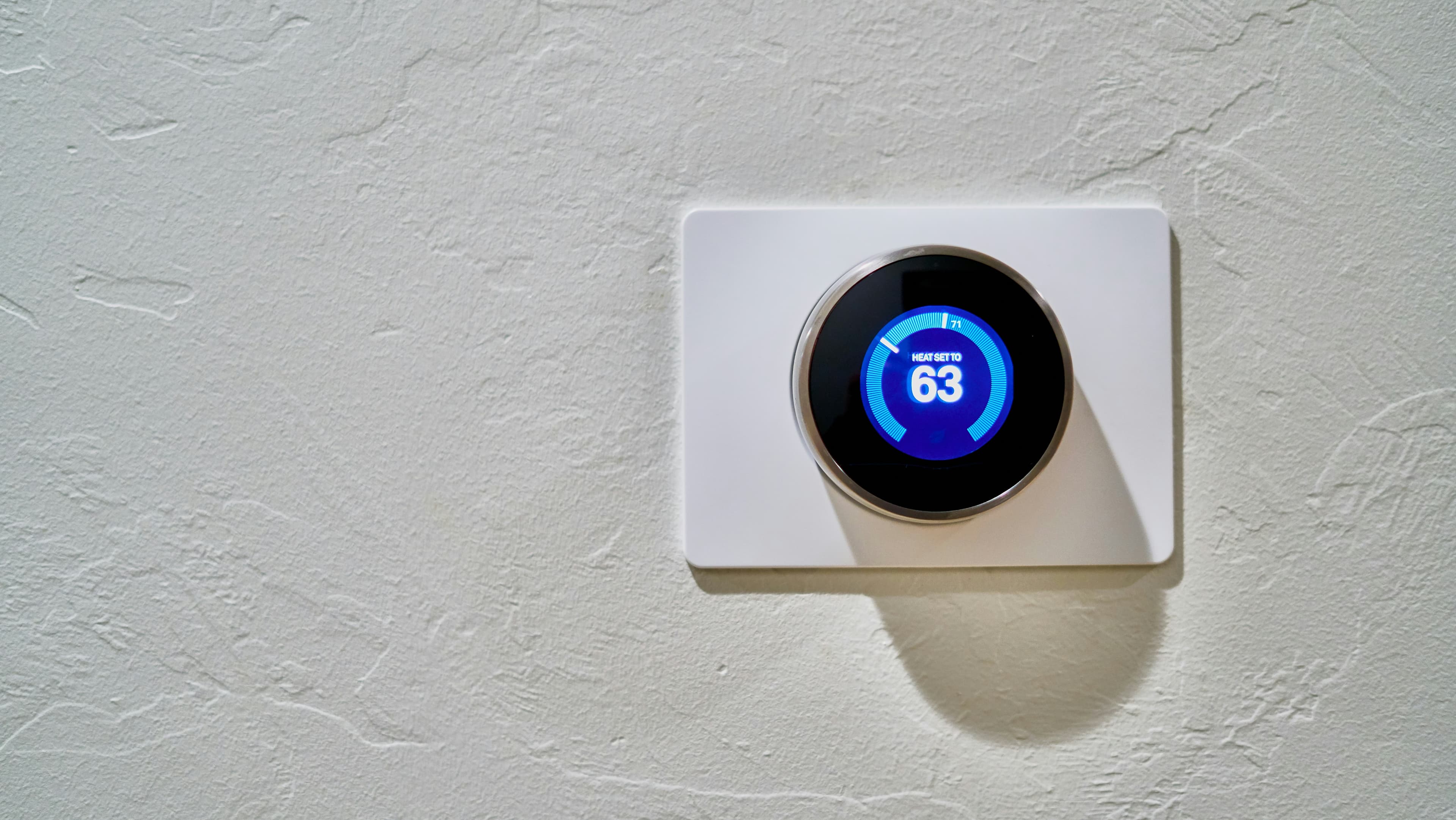
We love our smart homes. The convenience of asking Alexa to turn off the lights, checking on the kids through a nursery camera, or finding lost keys with an Air Tag has become second nature. But here’s the uncomfortable truth: every one of these devices can become a gateway for hackers to invade your most private spaces.
The Problem Hiding in Plain Sight
That innocent-looking smart speaker in your kitchen? Without proper security, it could be recording your conversations and sending them to strangers. Your home security cameras meant to protect your family? They might be giving someone else a front-row seat to your children’s daily routines. Those convenient family tracking apps? In the wrong hands, they become stalking tools.
The devices we trust to make life easier are increasingly being exploited by criminals, and most of us have no idea how vulnerable we really are.
How Hackers Get In
Criminals exploit weak points in our smart home setups in several ways:
Default passwords are like leaving your key under the doormat. Many people never change the original password that came with their devices. Hackers know these factory-set passwords and systematically look for devices still using them.
Skipping updates leaves doors unlocked. Those annoying notifications asking you to update your device? They often fix security holes. Without them, known weaknesses remain open for criminals to exploit.
Weak internet passwords let anyone walk in. A weak or missing password on your home internet means anyone nearby can access your network and every device connected to it.
Connected devices create a chain reaction. Once a hacker gets into one poorly protected device, they can often use it to access others in your home, including computers, tablets, and phones where you keep banking information, passwords, and personal data.
The Real-World Consequences
This isn’t just a scary possibility—it’s happening to real families:
Parents have reported strangers’ voices coming through baby monitors, talking to their children in the middle of the night. Ring camera footage has been accessed and used to harass homeowners. Location trackers like AirTags, designed for finding lost items, have been repurposed as stalking devices. Smart TVs and tablets have been taken over, locking families out until they pay money to get them back.
When hackers gain access to devices in your home, they can potentially monitor your daily routines, learn when you’re away, see passwords you type, and access bank accounts through phones or computers on the same network.
The privacy violations are disturbing enough, but the financial risks are equally serious. Stolen identities, emptied bank accounts, and fraudulent credit card charges can all start with a single unsecured smart device.
Protecting Your Digital Home
The good news is that protecting your smart home doesn’t require being a tech expert. Here are essential steps everyone should take:
Change every original password immediately. Create strong, unique passwords for each device and your home internet. Use a password manager app if remembering them all feels overwhelming.
Turn on extra login protection wherever it’s offered. This adds an extra verification step—like a code sent to your phone—that makes it much harder for unauthorized people to get in.
Keep your devices updated. Set them to update automatically when possible, or schedule a monthly reminder to check manually.
Lock down your home internet with a strong password and the highest security setting available on your router.
Set up a separate internet network for smart home devices if your router allows it. This keeps them away from computers and phones that contain sensitive information.
Check what access you’ve given each device. Does your smart speaker really need access to your contacts? Does that app need to know your location all the time?
Cover cameras when not in use or buy devices with built-in privacy covers. For family trackers and location devices, carefully limit who has access and review settings frequently.
Do your homework before buying. Choose devices from well-known, trusted companies that regularly release updates. Read reviews that specifically mention security and privacy.
The Bottom Line
Smart home technology offers incredible convenience, but that convenience comes with responsibility. These devices are essentially computers with cameras and microphones sitting in our most intimate spaces. Not protecting them properly is like leaving your front door unlocked with a welcome sign for criminals.
Your children’s safety, your family’s privacy, and your financial security all depend on taking these precautions seriously. The few minutes spent securing each device could prevent a violation that impacts your family for years to come.
Don’t wait until you become a victim to take action. Lock down your smart home today.
The National Cybersecurity Center (NCC) is a non-profit organization reimagining the relationship between humans and technology to create a safer digital world. Chartered by law in 2016, the National Cybersecurity Center unites communities, industry, academia, and government to provide tailored awareness, knowledge, and solutions to individuals and organizations, empowering them to safely navigate the digital world. From emerging technologies to everyday online safety, the National Cybersecurity Center is shaping the future of cybersecurity by ensuring that every person has the opportunity to participate securely in our connected world.
Register with the National Cybersecurity Center to access Cyber Alerts, tools, and step-by-step guidance that help you protect your home online, with confidence, not fear.